
Bed Bug Inspections for Cars, Rideshare and Fleets
A driver who suspects a bed bug came in on a passenger has a specific problem. The vehicle is the business, taking it off the road costs money every hour, and the advice available online is mostly people guessing.
We run bed bug inspections for cars in Toronto and across the GTA, for individual owners, rideshare and taxi drivers, and fleet operators. A canine sweep of a vehicle takes minutes, and you get a dated written record either way.
Per vehicle
10 to 20 min
A sedan is a fast sweep. Fleet work is priced per vehicle and drops sharply with volume.
Heat myth
Not reliable
A parked car in a Toronto summer may not reach lethal temperature inside a seat seam, and cannot for half the year.
Cold myth
Worse
Bed bugs survive 0C indefinitely, and fluctuating temperatures kill fewer than constant ones.
Fleet work
On site
We come to the yard or the lot and work through vehicles in sequence, out of hours if needed.
Why the usual advice about cars is wrong
The most repeated piece of advice for a vehicle is to park it in the sun and let the heat deal with it. It does not hold up, and it is worth explaining why in detail because acting on it costs people weeks.
The temperatures required are known. Bed bugs held at 45 degrees show a median lethal time of about 14 minutes and 99 per cent mortality at around 23 minutes, and practical field treatment generally targets 50 degrees or higher with sustained exposure. Studies of parked cars record maximum cabin air temperatures ranging from 41 to 76 degrees, averaging around 68 on clear summer days and roughly 10 degrees cooler under cloud.
Those two sets of numbers look compatible until you ask where the insect is. It is not sitting in the cabin air where a thermometer would be. It is inside a seat seam, under a seat, within upholstery foam or in the trunk, all of which are insulated and lag well behind cabin air. We have found no study measuring temperature at those harbourage points inside a vehicle, which means nobody actually knows whether the lethal threshold is reached where it would need to be.
Then there is the climate. Those cabin figures come from clear summer days. In Toronto that leaves most of the year out entirely, and a cloudy August afternoon takes about 10 degrees off the top.
Winter does not do it either
The reverse assumption is just as common and just as wrong. Bed bugs held at zero degrees largely survive regardless of how long it lasts. At minus 10 degrees for a week, nymph mortality stayed under 20 per cent. Reaching complete mortality took roughly three weeks at minus seven to minus 10 degrees held constantly.
The detail that matters for a car is that fluctuating temperatures produced lower mortality than constant ones in the same research. A vehicle parked outside through a Toronto winter, warming when driven and when the sun hits it, is close to the worst case for cold kill rather than the best.
Neither heat nor cold is a control method you can rely on in a vehicle. That is the honest position, and it is also the reason an inspection is worth the money: knowing whether anything is actually in there beats acting on a method that may do nothing.
What is actually known about bed bugs in vehicles
Less than anyone selling vehicle treatments implies. We could find no peer reviewed study of bed bug survival, establishment or transport in passenger vehicles. The guidance that exists comes from pest industry protocols that cite no research.
What is established, from work on how infestations spread generally, is that bed bugs move passively on people and belongings rather than travelling far under their own power. One frequent traveller in a documented case had 551 insects trapped in their apartment over four weeks without being aware of any of them. A vehicle carrying a passenger and their luggage is a plausible route by exactly that mechanism.
Whether a vehicle sustains a population the way a bedroom does is a different question, and the honest answer is that nobody has published the study. A car has no sleeping occupant to feed on for hours each night, which argues against it, but adults survive months without a blood meal, which argues that a vehicle can carry them a long way without anyone noticing.
What we cover in a vehicle
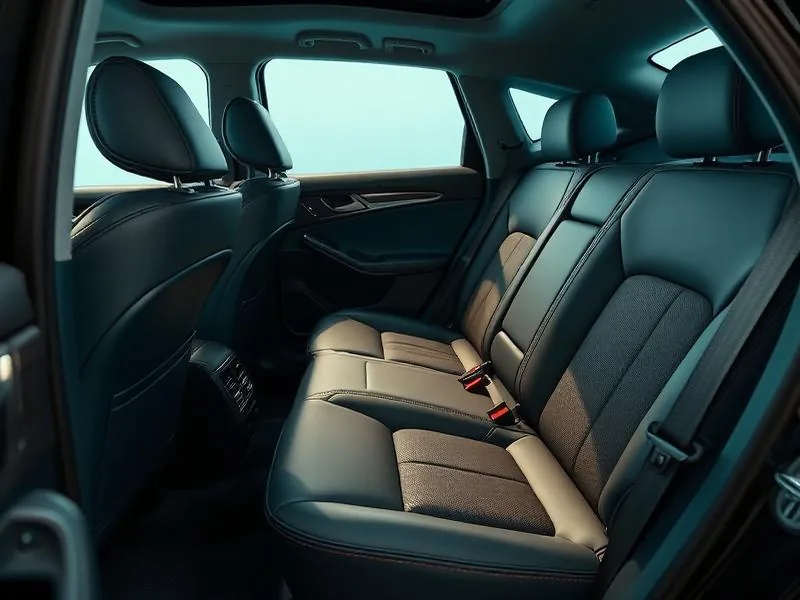
A canine sweep of a sedan takes ten to twenty minutes with the doors and trunk open. The dog works the interior at seat height and floor level, and the handler verifies anything she calls.
- Seat seams, creases and upholstery joints
- Under and behind every seat
- Seatbelt buckle housings and anchor points
- Floor mats, carpet edges and sill trims
- Trunk, spare wheel well and cargo liners
- Child seats, boosters and cushions
- Door pockets, consoles and glove box
- Headliner edges and sun visors
Rideshare, taxi and vehicle for hire
If you drive for hire, the practical exposure is commercial rather than regulatory. Neither Uber nor Lyft publishes a bed bug or infestation policy in Canada that we can find. What they do publish is cleaning and damage fees. Uber charges a cleaning fee at its own discretion and requires a photo and a professional cleaning receipt within one business day showing the date, time, amount and provider. Lyft publishes tiers of 25, 75 and 150 dollars for damage of increasing severity. None of those pages mention pests.
Toronto Municipal Code Chapter 546 requires every taxicab and limousine owner to maintain the vehicle in good repair as to its exterior and interior and in a clean condition at all times. The by-law's own inspection requirements are mechanical, carried out by a designated mechanic, and the City's guidance is clear that a safety inspection covers mechanical condition rather than interior cleanliness. We could not locate any pest or infestation provision in Chapter 546.
So the realistic risk is a passenger complaint, an account issue, a cleaning charge you have to substantiate, and time off the road. A dated inspection report is the document that resolves the argument about whether the vehicle was carrying anything, and it costs a fraction of a day of lost fares.
Fleets and moving vehicles
Fleet work is priced per vehicle and drops sharply with volume, because the cost of a sweep is mostly travel and setup rather than time in the vehicle. We come to the yard or the lot and work through vehicles in sequence, out of hours where that suits the operation better.
The settings where this comes up most are moving and delivery vehicles that handle household goods, patient transfer and accessible transport, shuttle and staff transport for buildings with a known infestation, and vehicle rental or car share fleets responding to a customer complaint.
For a moving company the specific value is the same as a turnover inspection in a building. Verifying a truck between jobs is far cheaper than the conversation that follows a customer claiming their goods arrived with an infestation, and a dated clear record is the only thing that settles it.
What you get
A dated written report naming each vehicle by plate or fleet number, the areas covered, every location the dog alerted on, and whether the alert was visually confirmed. Vehicles that were clear are recorded as clear with the date.
We do not treat. If something is found, the report names the location so a pest control operator can target it rather than fogging the whole interior, and if nothing is found you have a document rather than a hope.
How the sweep is run
Controlled research measured trained detection dogs at 97.5 to 98 per cent detection with no false alerts, sensitive down to a single insect or five viable eggs. Field research found performance varying widely between individual teams, with certification alone not predicting it.
A vehicle is a small sealed box, which cuts both ways. Scent concentrates, so a single insect is easier to find than in a bedroom. But the air also has nowhere to go, so we open the doors and the trunk and let it settle before working rather than sweeping into a stagnant cabin.
Two full sweeps either way. An alert counts only when she repeats it in the same place, and the handler then works that seam or buckle housing by hand. Alerts and visual evidence go in the report separately, which matters in a vehicle because a great deal of it cannot be opened up without removing trim. Reward only on a confirmed alert.
About vehicles.
Will leaving my car in the sun kill bed bugs?
You cannot rely on it. Lethal exposure needs roughly 45 degrees for over 20 minutes, and practical treatment targets 50 or higher. Cabin air in a parked car can exceed that on a clear summer day, but no study has measured the temperature inside a seat seam where the insects actually are, and for much of the Toronto year it is not close.
What about freezing them out over winter?
Worse. Bed bugs survive zero degrees indefinitely, and at minus 10 for a week nymph mortality stayed under 20 per cent. Fluctuating temperatures killed fewer than constant ones, and a car parked outside fluctuates constantly.
How long does a vehicle inspection take?
Ten to twenty minutes for a sedan with the doors and trunk open. Fleet work runs in sequence and is priced per vehicle.
Do Uber or Lyft have a bed bug policy?
Neither publishes one in Canada that we can find. Both publish cleaning and damage fee policies, and neither mentions pests. Uber requires a photo and a professional cleaning receipt within one business day to charge a cleaning fee.
Can bed bugs actually live in a car?
There is no peer reviewed study on it, and anyone who tells you otherwise is overstating what is known. What is established is that bed bugs travel passively on people and belongings, and that adults survive months without feeding, so a vehicle can plausibly carry them.
Do you inspect moving trucks?
Yes, and it is worth doing between jobs. A dated clear record is the only thing that settles a claim that a customer's goods arrived carrying an infestation.
Answers to the questions we get asked most
Vehicles and Travel
Can a Hot Car Kill Bed Bugs?
Bed bugs die at around 45 degrees and a parked car in July can hit 68. The advice still fails, for a reason that has nothing to do with either number.
Read guideCost and Process
What Happens During a Canine Bed Bug Inspection
Start to finish, including the preparation people get wrong and what an alert actually means.
Read guideCost and Process
What a Bed Bug Dog Inspection Costs in Toronto
Most companies in this business will not put a number on a page. Here is ours, and what moves it.
Read guideGet the vehicle answered in twenty minutes.
One vehicle or a whole fleet, at your address or ours. Call 289-906-4256 or send the details and we will confirm a time that keeps you on the road.
See all service areas or call 289-906-4256 to confirm availability for your address.